

About
The Artificial Intelligence Research & Innovation Working Group provides leadership in the incubation of cross-disciplinary AI research at USask, supports and leads capacity-building initiatives, and identifies opportunities for strategic growth.
Working Group
Membership of the Working Group includes USask faculty members with interest and/or experience in AI development and/or research applications with representation across disciplines. Key staff members from the Office of the Vice-President Research and Information and Communications Technologies (ICT) are also included.
Members of the Working Group will provide direction in the development of future workshops and events to build cross-campus research connections and build knowledge and capacity of resources and opportunities to support AI literacy across campus.
Saija Kontulainen
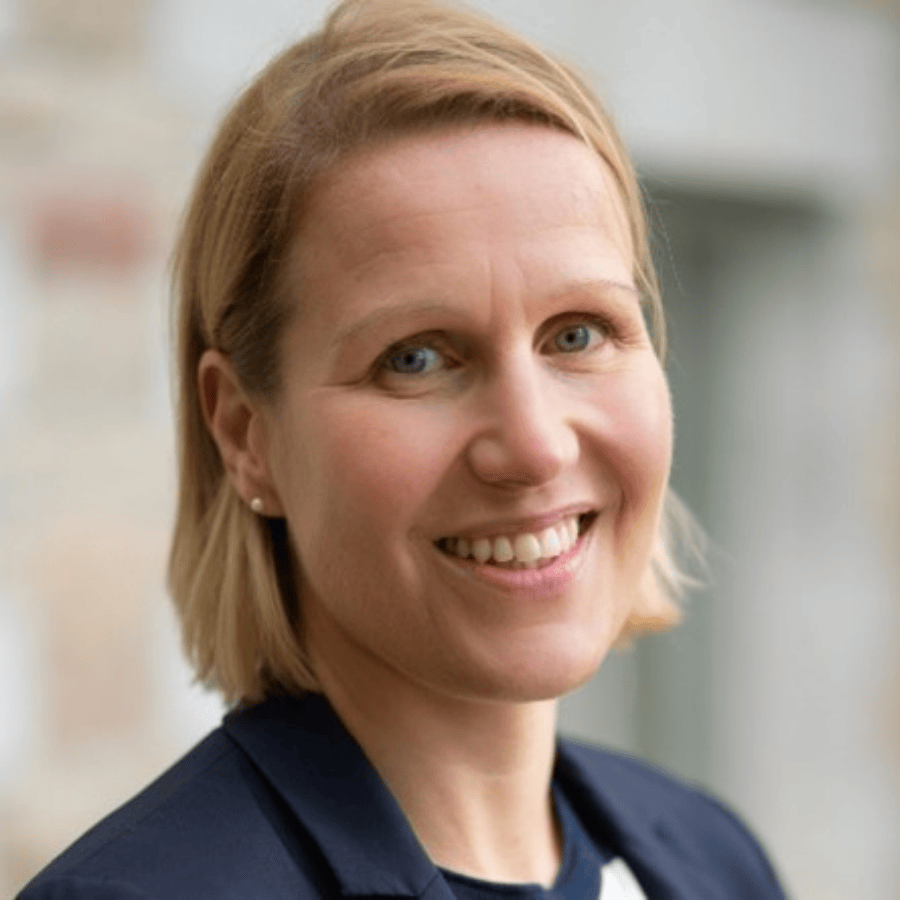
Julita Vassileva
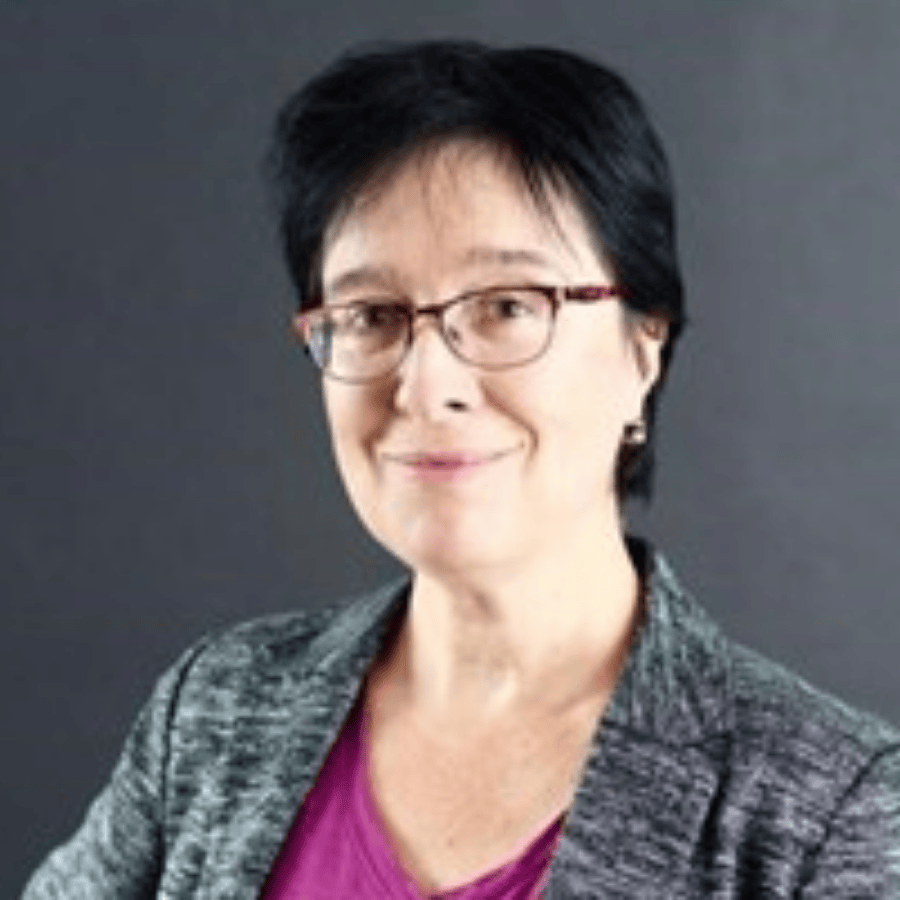
Steven Rayan
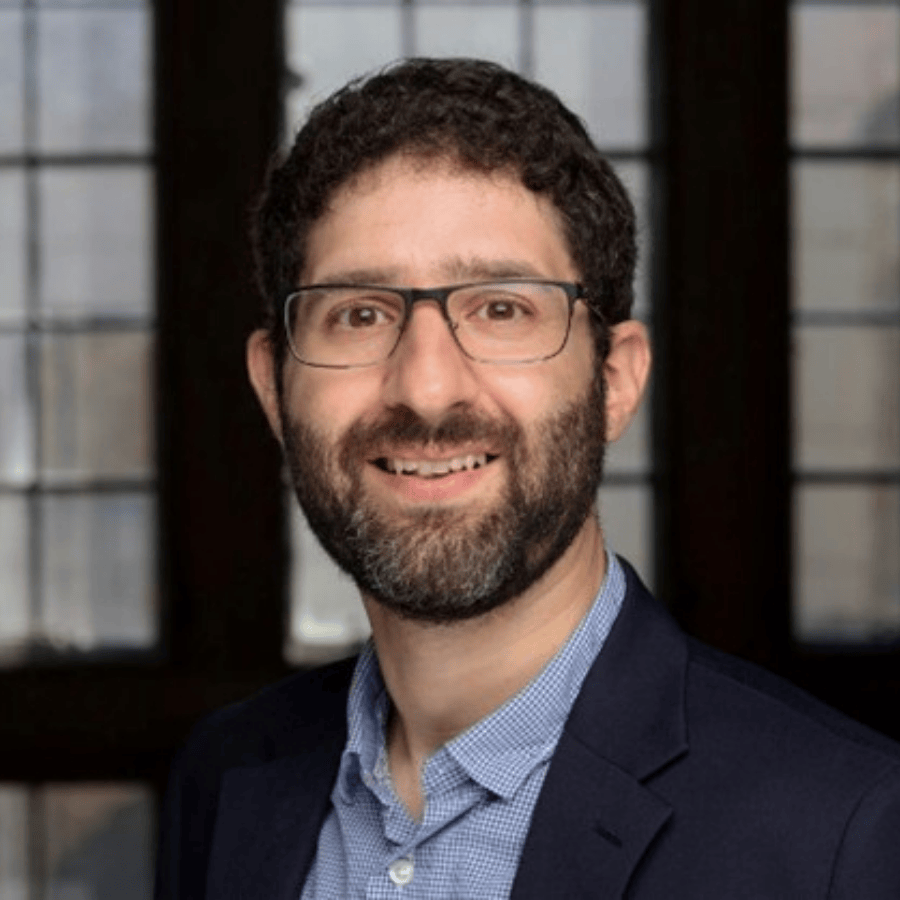
Daniela Pita

Scott Adams
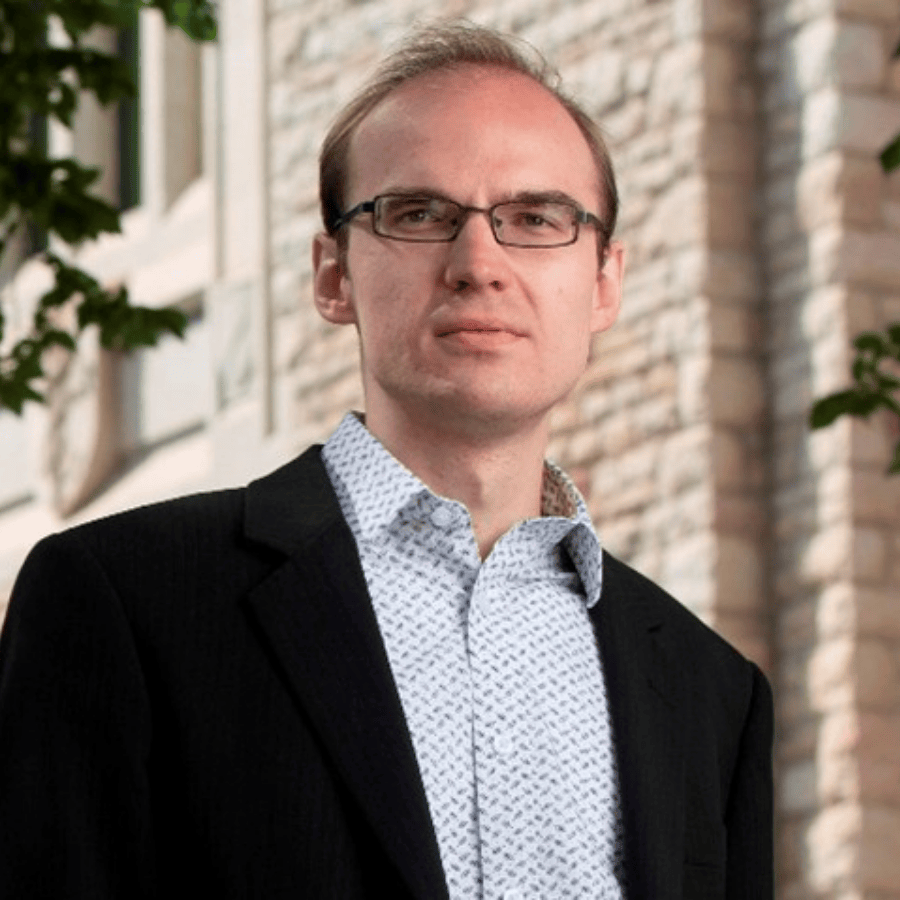
Paula MacDowell
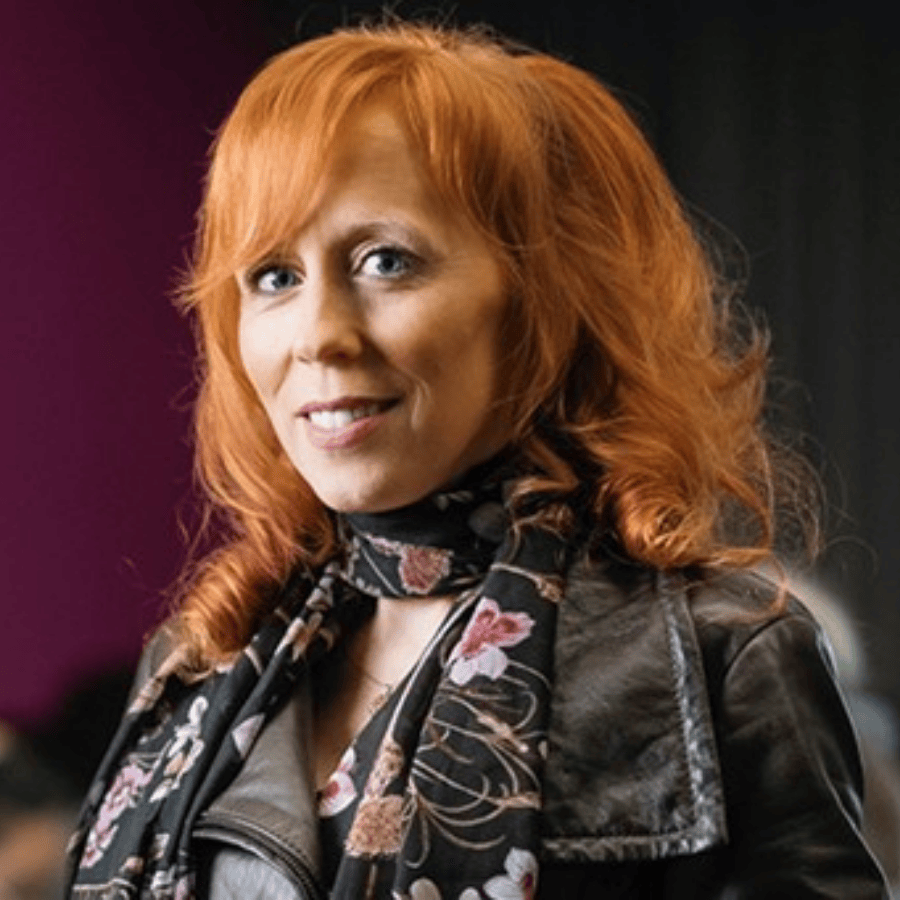
Joelena Leader

Jason Hlady
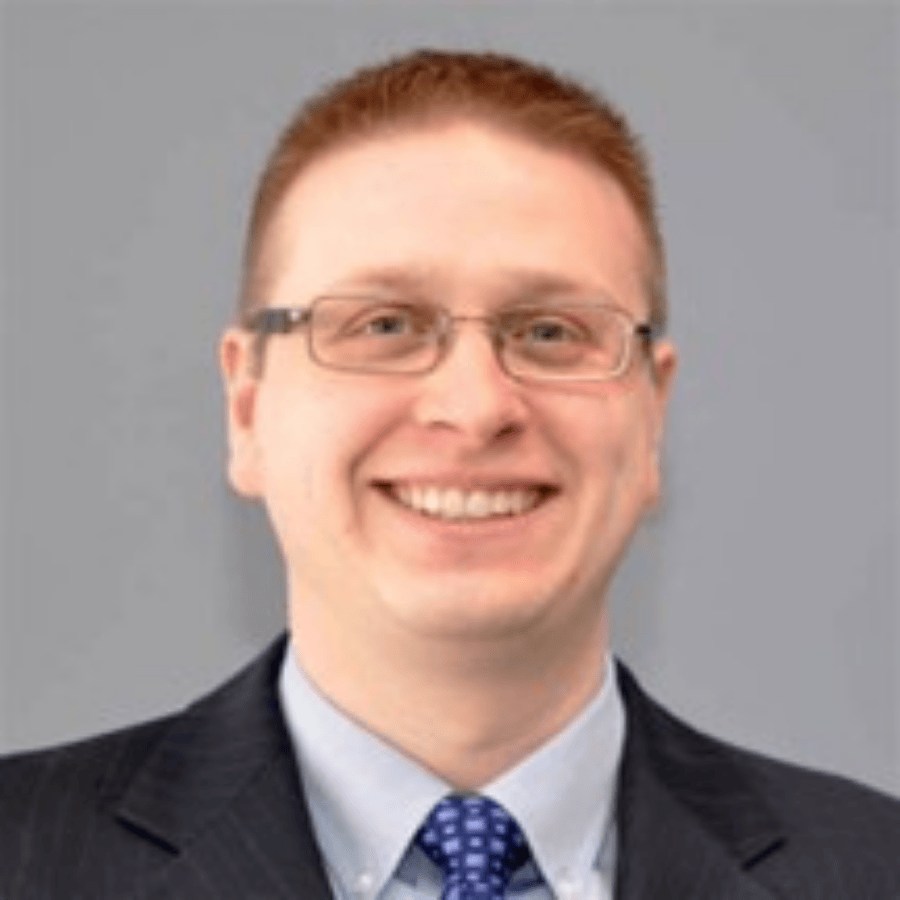
Kwabena Nketia
Phani Adapa
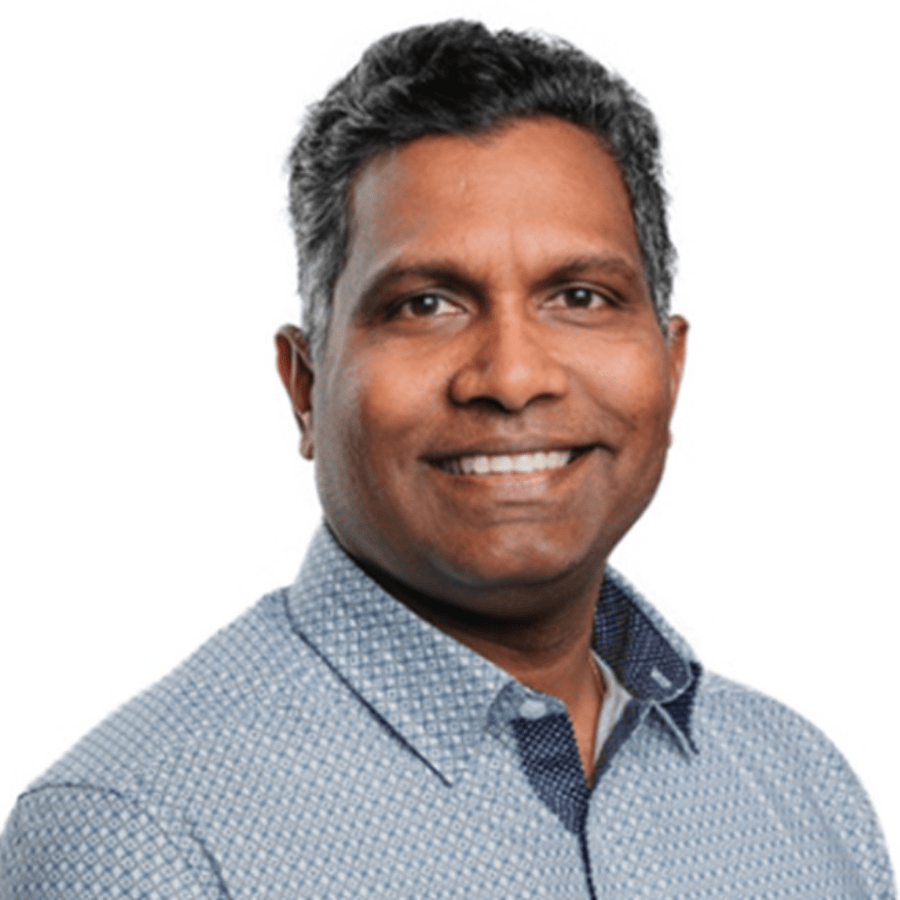
Danielle Ellis

Events
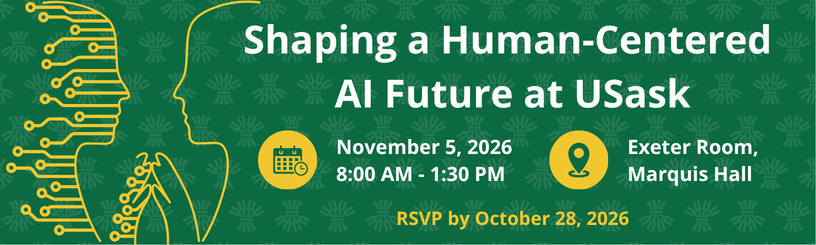
USask invites members of the university community to join a conversation about the future of artificial intelligence research and innovation at USask. This event is presented by the Artificial Intelligence Research & Innovation Working Group.
Bringing together researchers from across campus, the event will explore opportunities to advance responsible and human-centered AI, strengthen interdisciplinary collaboration, foster innovation, and support the development of future talent. Participants will have the opportunity to connect with colleagues from a range of disciplines, exchange ideas, and discuss how the USask community can work together to advance AI research and innovation that benefits society.
The full agenda will be shared closer to the event date.


Past Events
2025 Convergence in AI Futures Across Social, Human, & Natural Sciences
The 2025 Convergence in AI Futures Across Social, Human, & Natural Sciences workshop on November 6, 2025, was the next step in creating a community of researchers who are connected, ready to collaborate, and prepared to apply for future funding opportunities around AI research. The event hosted the following discussions:
Keynote Address by Dr. Joelan Leader: Co-Shaping Human-Centered AI Futures: Why Organizing Convergence Across Research, Sectors, and Society Matters
Panel Discussion - Interdisciplinary Perspectives at USask on AI Research & Innovation (Moderator: Dr. Paula MacDowell)
- Dr. Andrew Denton, Director, School for the Arts, College of Arts and Science
- Dr. Reza Fotouhi, Mechanical Engineering, College of Engineering
- Dr. Jim Clifford, History, College of Arts and Science
- Dr. Julita Vassileva, Computer Science, College of Arts and Science
- Dr. Devan Mescall, Accounting, Edwards School of Business
Breakout discussions were held around 6 emerging AI themes:
- AI Applications in Health & Wellness: Indigenous and REmote Health & Wellness
- AI Application in Health & Wellness: Health & Wellness System Optimization
- AI Technological Innovation for Research: AI Enhanced Sensins
- AI Technological Innovation for Research: AI for Automation
- Responsible Stewardship & Ethical AI: Human-Centered and Ethical AI Development
- Responsible Stewardship & Ethical AI: AI Literacy and Education
2024 USask Artificial Intelligence Research Workshop
The USask AI Research Workshop on November 6, 2024, was the first step in creating a community of researchers who are connected, ready to collaborate, and prepared to apply for future funding opportunities around AI research. The workshop hosted 47 attendees, including researchers from a variety of scholarly disciplines and those who are interested in the development of AI technology and its application in research. The event hosted the following panel discussions:
Panel Discussion #1 – Advancement of AI Technology (Moderator: Ian Stavness)
- Francis Bui, Electrical and Computer Engineering, College of Engineering
- Julita Vassileva, Computer Science, College of Arts & Science
- Lucas Lehnert, Computer Science, College of Arts & Science
- Natalia Stakhanova, Computer Science, College of Arts & Science
Panel Discussion 2 - Application of AI Technologies in Research (Moderator: Steven Rayan)
- Steve Shirtliffe, Plant Sciences, College of Agriculture and Bioresources
- Jon Bath, School for the Arts, Art and Art History, College of Arts & Science
- Paula MacDowell, Curriculum Studies, College of Education
- Nate Osgood, Computer Science, College of Arts & Science
Breakout discussions were held for 8 key themes around AI and research:
- Application of AI in Natural Sciences & Agriculture
- Application of AI in Health
- Application of AI in Humanities, Social Sciences & Fine Arts
- Core AI Development: Engineering, Robotics, Algorithms
- AI Infrastructure & Computing Needs
- AI Algorithms & Data Types
- Human Agency & AI: Transparency, Bias, OCAP, Ethics
- AI Development: Security & Privacy, Data Sovereignty
The USask AI Research Workshop highlighted a strong need for further networking and collaboration opportunities across disciplines, engaging the entire faculty community.
Funded Projects
2026 Research Capacity Building Grants
Community Health and Epidemiology associate professor Dr. Daniel Fuller and Computer Science assistant professor Dr. Mrigank Rochan are working together on the project “A Human Activity Recognition Artificial Intelligence Research Cluster”.
This project aims to build an interdisciplinary USask research cluster focused on using AI and wearable sensor data to recognize human activity in real-world settings. The work emphasizes equitable AI and data harmonization across health, rehabilitation, kinesiology, and related fields.
School of Environment and Sustainability assistant professor Dr. Varuni Jayasooriya and Sociology assistant professor Dr. Timothy Kang are working on the project “A Privacy-Preserving GeoAI Framework for Urban CPTED Decision Support Using Environmental Sensing and Community Narratives”.
This project seeks to develop an ethical, privacy-preserving AI framework to support Crime Prevention Through Environmental Design (CPTED) planning in Saskatoon. It combines environmental sensing, geospatial AI, and community safety narratives to inform human-centred urban safety planning.
Edwards School of Business assistant professor Dr. Joelena Leader and Computer Science professor Dr. Julita Vassileva are working on the project “Co-Developing an Ethical, Inclusive AI Pilot for Public Service Delivery with the City of Saskatoon”.
This project supports partnership development and pilot scoping between USask and the City of Saskatoon to identify an ethically grounded AI application for municipal service delivery. The work focuses on responsible AI, community-informed design, and future large-scale partnership development.
Edwards School of Business professor Dr. Devan Mescall and Electrical and Computer Engineering associate professor Dr. Francis Bui are working on the project “Developing Secure Multi-Agent Personalities for High Stakes Institutional Governance”.
This project investigates how panels of AI agents can support high-stakes institutional decision-making through synthetic deliberation. Using governance theory, psychology, and computer science, the team will study how AI systems reason, deliberate, and reach decisions in sensitive governance contexts.
Funding Opportunities
The Artificial Intelligence Research & Innovation – Research Capacity Building Grants aim to catalyze collaborations across disciplines to explore the transformative potential of AI in research. Research Capacity Building Grants of up to $15,000 will be awarded to interdisciplinary/ transdisciplinary teams initiating new collaborations or sustaining existing teams.
These grants support projects that integrate perspectives from the humanities, social sciences, and fine arts with natural sciences and health sciences, and that have a strong emphasis on ethical stewardship of AI development and application in research.
The purpose of this grant is to:
- Foster novel interdisciplinary and/or transdisciplinary partnerships to build capacity for responsible and ethical AI research across disciplines at USask
- Support exploratory research and/or activities to initiate and sustain groups that could pursue large-scale interdisciplinary and transdisciplinary external funding opportunities.
Available Funding: Up to $15,000 for up to 12 months
Application Deadline: January 30, 2026, at 4:00 PM Saskatchewan Time
Competition Details and Application Form: Online
Co-Leads should submit applications to UnivRS by January 30, 2026, at 4:00 PM. All submissions are subject to UnivRS approvals and compliance checks over the following five business days.
Research Stories and Impact
Loading...
Contact
Meaghan Risling
Programs Manager, Research Acceleration and Strategic Initiatives
306-966-7295